Follow us
划动查看中文版
The Rolex Shanghai Masters has evolved into a premier tennis event in Asia and a globally recognised benchmark for the sport. It serves not only as a key window for Shanghai's opening to the outside world, but also as a shining showcase of the vitality of Minhang District.
While foreign tennis fans arrive at the venue, they also encountered Minhang.
"I hope the Russian tennis players can win, and I also hope to see many exciting matches," Semen Sagalov said.
On the first day of the tournament, Sagalov arrived at the Qizhong Tennis Center with his father. The two had just arrived in Shanghai from Russia that day and went straight to the court venue.
Before their trip, the duo made a list of places to visit, such as Deqiu Lixiang Valley Cultural and Creative Park. Their itinerary was planned well in advance: watch the games on the 5th, and visit the park on the 6th. Early the next morning, the father and son followed their plan, took a photo in front of the castle, and then went to the café for coffee.
For James from the United Kingdom, the tournament has long been a part of his life. "I've been to this tournament several times," he stated. Having lived in Shanghai for 10 years, James is no stranger to the Qizhong Tennis Center.
During his time here, James has already built his own "city map" in the area. On weekend evenings, he often goes to the Foreigners' Street with his friends. The restaurants and bars of various countries on that street allow the Englishman to find familiar flavors even in a foreign land.
He stopped at the Maqiao Cultural and Creative Exhibition booth outside the venue and was captivated by the local cultural and creative products. He was surprised to find that Minhang is home to many wonderful crafts.
Nadir, the wife of Argentine player Marco Trungelliti, accompanied her husband to the Shanghai Rolex Masters with their son. Outside of the competition, she took her son to stroll along Qibao Old Street.
"I've always loved Chinese culture," she noted, adding that transportation was convenient, and the staff very friendly. "It would be even better if the venue had more play areas suitable for children; that's very important to us."
A South Korean family from Qibao was also among the audience and the tournament was more like a family holiday activity.
Having lived in Minhang for many years, they have witnessed the changes firsthand. The familiar Korean Street has undergone a major reno vation this year – new coffee shops, beauty stores, and bakeries have opened. Going to the Korean Street for a barbecue and a supermarket on weekends has long been a part of the family's life.
The tournament, which gets more lively every year, allows the family to meet faces from all over the world right at their doorstep.
Grant Lynch from Australia is one of the first timers to visit Minhang because of the event. He was a member of the event's environmental monitoring team and it was his first visit to Shanghai. He was staying at the Renji Hotel which is about a 20-minute walk from the venue.
To his surprise, Minhang was quieter and more refreshing than he had imagined. "The greenery here is excellent ," he said, adding that he plans to visit Pujiang Country Park after finishing his busy schedule, and he would love to come back and explore Minhang properly.
Beyond the Main Venue
The Shanghai Rolex Masters extended well beyond the main venue. The Highlight Maqiao Outdoor Market, a part of the Maqiao Tennis Culture Month, is held at the Lianzhong Commercial Complex, drawing visitors and tennis lovers as well as residents nearby.
The Maqiao Tennis Culture Month runs for 32 days, and offers tennis lessons, a Masters tournament experience camp, an outdoor market, and a cultural tourism exhibition hall.
The event creates a tennis atmosphere throughout the town and also brings foot traffic to the region, through integrated and targeted discounts covering cultural activities, retail, tourism and exhibitions.
A special bilingual tourism passport "This is Maqiao 2026" is offered for visitors, featuring touring guides as well as discount coupons for 26 high-quality merchants across eight categories in the town.
The passports are valid for one year and can be used on both weekdays and weekends, allowing repeated visits, especially for those who want to seek leisure activities.
The Rolex Shanghai Masters has evolved into a premier tennis event in Asia and a globally recognized benchmark for the sport. It serves not only as a key window for Shanghai's opening to the outside world but also as a shining showcase of the vitality of Minhang District.
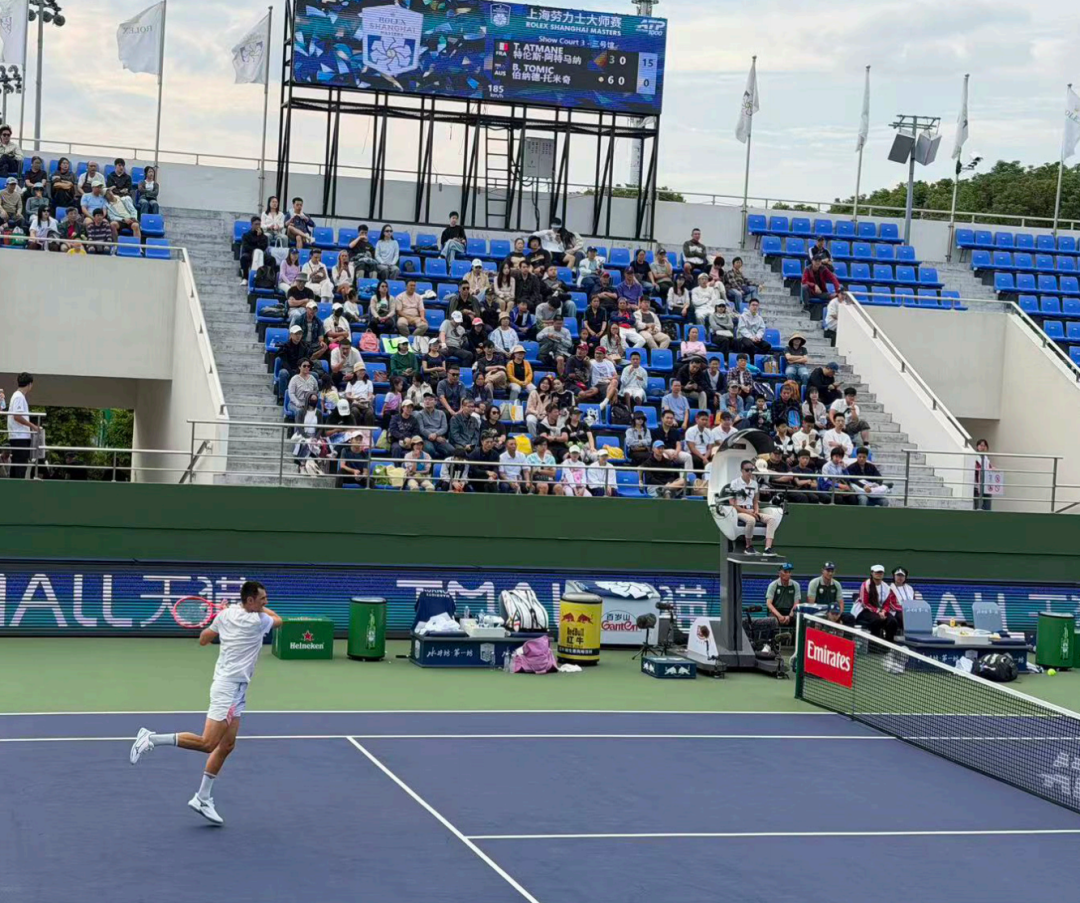
Sport event drives urban regeneration and vitality
Since 2005, when the Qizhong Tennis Center, then the largest in Asia, became a Shanghai landmark and marked a new era for tennis in China, renovations have been underway.
The renovation of Hall 2 at the tennis center and construction of the new outdoor court No. 17 were completed in recent years to meet the rising demand for sporting events and set a new standard for the city's public sports spaces.
The refurbishment of the athletes' area, the upgrade of the food court, the upgrade of the bathing areas, the refurbishment of the press conference room, and the repair of the flooring in the Central Arena and Hall 2 have also been completed.
Beyond the venues, the spaces surrounding Hall 2 were also upgraded, and interactive experience zones and camping spectator areas have been added, while retaining pet-friendly zones.
As a multi-faceted experiential space, Qizhong Tennis Center has gone beyond "meeting competition requirements" to "serving the entire city."
By building new venues, opening tennis schools, and attracting more tournaments, Minhang hopes to create a year-round professional, junior, and amateur competition system.
It aims to coordinate event organization, talent development, industry clustering, and national fitness initiatives to transform the Qizhong Tennis Center and its surroundings from a "venue for the tournament" into a "hub for the tennis industry."
Allowing visitors a long-term view of the tennis town
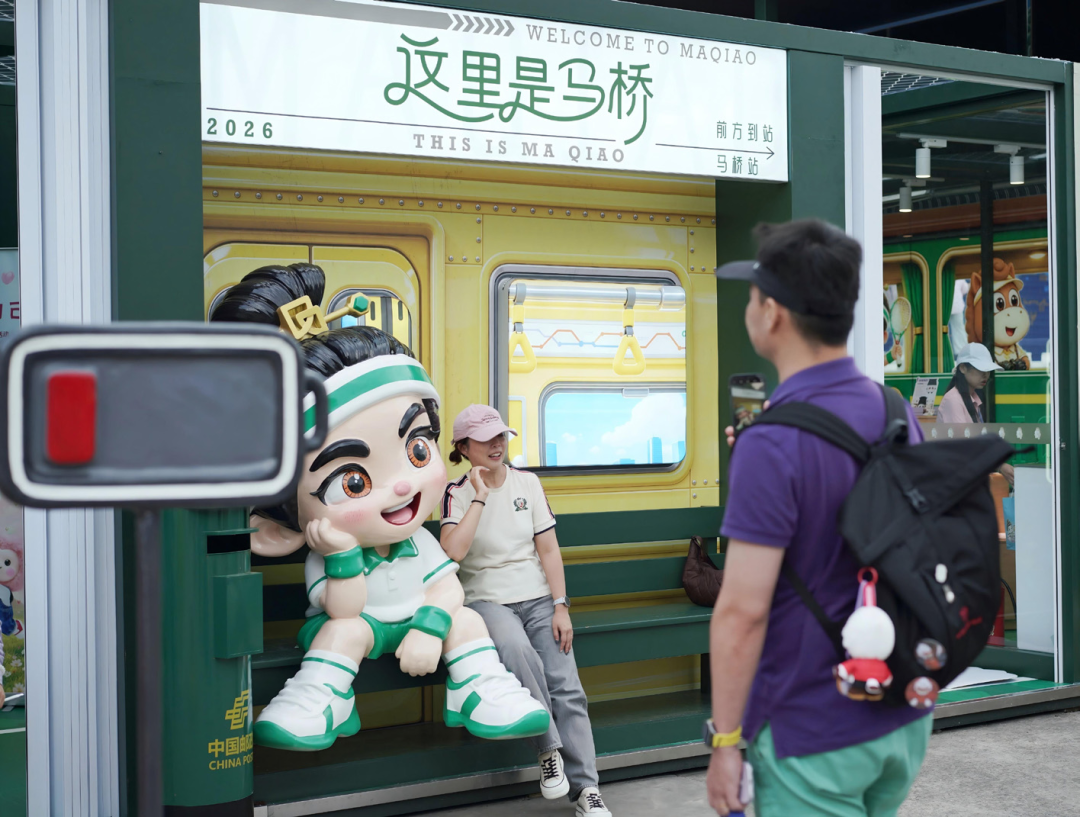
The cultural and tourism exhibition hall in front of the Food Court was packed with visitors taking photos with Minhang mascots and cultural installations.
Minhang's cultural and creative products, including exquisite "Ma Yaya" badges and other adorable soft toys, were the main items on sale in the exhibition hall.
Ms Si, who had come to watch the match, liked a Maqiao dried tofu keyring: "It's quite interesting to see traditional local specialties made into little keyrings, which are easy to carry around or attach to my mobile phone."
Visitors could take home a Minhang souvenir, bringing back memories of the tournament and local culture.
These initiatives are a microcosm of Minhang's district-wide collaboration.
During the National Day holiday, Minhang launched around 40 exclusive discounts and benefits for ticket stubs.
Scenic spots, cultural and museum venues, and cinemas within the district implemented a ticket-stub linkage scheme, allowing residents and visitors to enjoy corresponding exclusive discounts upon presentation of their Masters Tournament match tickets.
For example, 11 cinemas in the district offered film packages ranging from 9.9 yuan to 119 yuan, extending a single match-going experience into a diverse range of urban leisure activities and driving the conversion of tournament footfall into consumption across the entire district.
Public service and facilities offer solid support
All 26 organizations and government departments, including the police, public transport, health and hygiene, and urban greenery and environment departments, worked together to make the event a success and welcome international visitors.
Nearly 70 percent of the spectators at the Shanghai Rolex Masters are traveling from out of town.
Two dedicated bus routes, one metro express bus, and several shuttle services from transport hubs to tournament venues helped spectators get around.
Nearly 10,000 spectators leave the venue after each game, and the average time has been reduced from 1.5 hours to 40 minutes thanks to security improvements. The public security authorities use the smart passenger flow detection system of the main venue, neighboring activity zones, and surrounding roads to detect overcrowding and congestion and implement temporary road control measures.
Three fire engines are stationed in the surrounding area, with 37 firefighters on 24-hour standby.
In response to the increase in the number of new energy vehicles, the fire service has also set up additional emergency fire-fighting points at five outdoor car parks, fully equipping them with specialist equipment.
With regard to food safety, the district market regulation bureau deployed 272 personnel to ensure the safety of over 200,000 meals served.
Sports driving city's vitality
Shanghai has hosted top-tier tournaments for two or three decades, and tennis has grown from a niche sport to a popular one.
At Shanghai Maqiao Qiangshu School, tennis practice begins at halfpast seven every morning.
Headmaster Ao Zhongming follows the moves of young students. He takes pride in the tennis team, which just won two gold medals at the 18th Shanghai Games.
The school is a nationally recognized "Tennis Specialized School for Juvenile" and "Minhang District Tennis Talent Development Base" that has integrated tennis into its curriculum, making it a daily part of life for many children. "We hope to inspire more children to love sport, to plant deep roots for tennis on campus, and to spread it worldwide," said Ao.
Since 2014, several schools have launched specialized tennis programs, and over thirty have joined the district's youth tennis league. A tiered training system of primary, junior, senior, and sports colleges is emerging.
Minhang has 314 tennis courts and 229,000 square meters of indoor facilities. By 2030, the district sports bureau plans to add 300,000 square meters to its 6,401,400-square-meter sports facilities and optimize the "15-minute sports lifestyle circle" network.
The district hosts over 1,500 events of various levels and types annually, attracting over 500,000 participants. Residents are no longer just spectators, and they now step onto the court to experience the joy of swinging a racket.
旗忠网球中心白玉兰穹顶下,德约科维奇、兹维列夫、阿尔卡拉斯等顶尖球星轮番登场,162场对决在此激情上演,观众的欢呼声一浪高过一浪。顶级的球赛、满座的看台、全城的热度,这场持续举办二十余年的国际赛事,带给闵行的远不止这些。
作为上海的国际顶级赛事,上海网球大师赛历经二十余年深耕积淀,已成长为亚洲顶尖、全球知名的网球标杆,既是上海对外开放的重要窗口,也是展现闵行城区活力的一张靓丽名片。二十余年间,它见证了旗忠网球中心从一片空地变为城市地标,也见证了一代代球迷从观众席走向网球场。
这些年,闵行以赛为媒、以体赋能,推动赛事资源与城区文化、产业发展、文旅消费深度融合。赛事品质与城区能级,在一年又一年的办赛中彼此成就、同步跃升。上海网球大师赛,正成为闵行链接各方资源、展现开放姿态的重要平台。
顶级赛事与活力城区,正在这片白玉兰穹顶之下,共生共兴。
赛事牵引城市更新
上海办网球大赛的历史可以追溯到1998年的喜力公开赛。2002年,作为男子职业网球巡回赛的年度总决赛,网球大师杯第一次在上海举办。彼时,由于没有专业网球场馆,比赛只能在上海新国际博览中心搭建临时赛场。为了留住这一赛事,旗忠网球中心的建设被提上日程。2005年,这座当时亚洲最大的网球综合设施成为城市新地标,也标志着上海乃至中国网球新时代的到来。
20余年过去,旗忠网球中心已积攒深厚的赛事财富与品牌底蕴,赛事能级在提升,观众期待在变化,但部分场馆老旧,若停滞不前,城市的这张体育名片便会逐渐褪色。
2025年,“旗忠网球中心2号馆改建及室外17号场地新建”被列为区级重大工程项目。2号馆加装可开启屋盖、翻新看台及外立面。新建的17号室外场地及其附属设施,配备可容纳1200人以上的看台和完整的照明、扩声、功能用房与机电系统,不仅优化了运动员训练环境,并为现场观众带来更沉浸的互动体验。
可以说,这是赛事需求倒逼基础设施升级,同时也为城市公共体育空间的品质划线。
事实上,这种改造一直在持续:2023年改造运动员区域;2024年升级美食天地;今年,球员更衣室冰浴升级、新闻发布厅翻新、中央场馆及2号馆地面修缮等项目也已完成。场馆之外,重点优化2号馆周边74亩场地功能,新增互动体验区、露营观赛区,保留宠物友好区域,从单一赛场拓展为多元体验空间。硬件升级的逻辑,正从“满足比赛”转向“服务城市”。
过去很长一段时间里,旗忠网球中心的节奏几乎完全被大师赛所定义。每年秋季,这里灯火通明、人声鼎沸,而赛事一落幕,场馆便迅速归于沉寂。如今,这一局面正逐渐被打破。
闵行计划以旗忠网球中心为核心,规划2.5平方公里核心区域,形成“企业主导、政府配套、市场参与”的发展格局。通过打造全新场馆、布局网球学校、引进更多赛事,构建“职业赛+青少年赛+业余赛”全年赛事体系,推动赛事运营、人才培养、产业集聚与全民健身协同发展,促进旗忠网球中心及周边区域从“赛事举办地”向“网球产业高地”转型。
作为赛事举办地的马桥镇,在其“十五五”规划中,也将网球的发展纳入了其中。它将空间布局明确为“南耕、北体、中智造”,其中“北体”板块则是推动体育经济规模化发展。马桥镇将依托旗忠网球中心的赛事集聚效应,完善镇域交通、住宿、商业等公共服务配套,同时联动上海马桥人工智能创新试验区探索“AI+网球”应用场景。该板块正逐步将顶级赛事转化为区域发展的长期动力,为闵行城市更新注入持久的体育动能。
让“流量”变“留量”
一张2026上海劳力士大师赛的门票,能撬动什么?在闵行,答案远超一场网球比赛的时间。
从徐汇赶来的网球爱好者华濛,原本只打算看一场球。然而出发前,他和女友看到了马桥网球文化月的大师赛网旅体验营的招募。“行程已经给我们安排好了,5号下午看球赛,晚上去集市和朋友聚聚,顺便在旁边新落成的场地打球,第二天还能上一堂网球大师课。”
这场两天一夜的文旅活动正是马桥镇与网球国家一级运动员、网球大V后子琪的网球学院联手推出的,是马桥网球文化月的系列活动之一。此外双方还在马桥强恕学校和人济酒店联合开设成人网球、儿童网球入门课堂,并带领网球爱好者一同观赛。华濛参加的大师课正是由后子琪网球学院的教练亲自指导,从握拍、挥拍到对打,教练都耐心拆解,让他快速找到了手感。“这样的体验感觉很值得,比单纯来看球丰富多了。”华濛说。
系列活动覆盖ATP1000大师赛和马桥网球公开赛两个赛事周期、长达32天,包含网球课程、大师赛网旅体验营、户外市集等内容。马桥镇还在国庆节前推出《这里是马桥》2026马桥护照。该护照为中英双语文旅手册,内页整合全镇8大类26家优质商户权益,有效期整整一年,持照人可享优惠、兑换好礼、体验手作等。一本护照,把“看完球就走”的过路客,变成了“拿着护照慢慢逛”的深度游客。
赛事期间,旗忠网球中心内美食天地前的文旅展馆前人来人往,不少观众正在和“春申君”装置合影留念,展馆里面主要售卖闵行本地的文创产品,有设计精巧的“马丫丫”徽章、实用的“春申君”百贴布、可爱的毛绒玩偶等。当天来此看球赛的斯女士看上了一款马桥豆腐干挂件:“旁边就有卖豆腐干的,这里还有可爱的挂件,挺有意思的,把本地特产做成小挂件,挂在背包或者手机上都挺合适。”看赛的观众来这里逛逛,带一份闵行伴手礼走,也把赛场记忆和地域文化一并打包回家。
这些探索,是闵行全域联动的缩影。国庆期间,闵行推出约40项票根专属优惠权益,区内景区、文博场馆、影院落实票根联动机制,市民游客凭大师赛观赛票根即可享受对应专属折扣。例如区内11家影院推出9.9元至119元观影套餐,将单次观赛行为延伸为多元城市休闲体验,推动赛事流量向全域消费转化。
票根优惠之外,亦有真金白银的消费券加码。作为“春申美好生活悦动季”核心福利板块,2026“悦购闵行·动享申城”闵行消费券线下专场发放总额5200万元消费券,覆盖数码及智能产品、家居用品、服装、鞋帽、化妆品、汽车零部件等品类。把赛事的“瞬时热度”转化为覆盖全季的“消费长尾”。
赛事释放出强大聚合效应,持续导入人流、商流、消费流量。今年国庆期间,全区46家重点商业综合体实现销售额7.4亿元,同比增长4.94%,累计客流862万人,同比增长10.5%;全区7家A级旅游景区接待游客48.68万人次,营业收入1554万元,同比增长1.7%。
“服务+”赋能赛事保障
一场场精彩纷呈的体育盛宴,既有球场上的巅峰对决,也有赛场之外看不见的细致守护。
每年上海网球大师赛,“服务”与“体验”总是被反复提及的关键词。赛事赋能城市,城市成就赛事,赛场内外,公安、交通、卫健、绿化市容等26家单位协同保障,以最好的姿态,迎接八方来客。
“丝滑”的观赛体验,从抵达上海的那一刻开始。大师赛观众中,近七成来自外省市及国外。上午10时30分,从合肥赶来观赛的张先生刚走出虹桥枢纽,便坐上了直达旗忠网球中心的定制班线。约40分钟后,他就抵达了赛场。为方便观众出行,区交通委统筹设置2条定制公交、1条地铁快巴,并开通多条定制班线,连接交通枢纽与赛事场馆。这些线路在社交媒体上被球迷们反复提及点赞,让远道而来的球迷多一份观赛从容。
比赛结束后,近万名观众陆续离场,观众夜间离场平均时长已从以往的1.5小时缩短至40分钟,背后是闵行公安不断优化的安保举措。警方通过“圈层设防、智算赋能、精细管控、融合服务”的管理模式,创新推行“切片式”“开合式”临时道路管控,并依托智能客流感知系统,对主场馆、外围活动区及周边道路进行监测,提前预警人员聚集、通道拥堵,动态调度警力疏导。连续21年投身赛事安保工作的马桥派出所副所长朱其昌,去年曾从费德勒手中接过其亲笔签名的20周年纪念册,“最大的感受就是场馆建设越来越亮眼,安保措施也更加精细化。”
赛场内外,还有一群默默坚守的“幕后英雄”。在消防执勤队伍里,2007年出生的徐锦涛是站内年纪最小的队员。作为一名“05后”,他主动参与大师赛保障,与老队员一道守护赛场安全。外围3辆消防车驻防,37名消防执勤力量24小时待命。针对今年观赛新能源车辆增多的情况,消防部门还在5处室外停车场增设应急灭火点位,配齐专用器材并开展实操培训。
在食品安全方面,区市场监管局出动保障人员272人次,保障用餐20余万人次,并在后厨布设9路“互联网+明厨亮灶”探头,全时段监控操作规范,并组织专业力量排查电梯、场内车辆等重点设备隐患,确保风险闭环处置。
去年秋天,罕见高温曾影响了部分运动员的竞技状态。今年,区气象局联合上海市气象与健康重点实验室首次面向参赛选手推出了“WBGT湿球黑球温度指数”预报——“湿球”像“出汗模拟器”,汗出得透不透、闷不闷,看它就知道。“黑球”就像“暴晒感受器”,专门吸收太阳直射和周围地面的热辐射,太阳晒不晒,它测得清清楚楚。把它们和空气温度、风速结合起来,就得出了WBGT指数,为运动员做好高温防护、赛事合理安排提供参考。
凭借专业高效的办赛服务,上海ATP1000大师赛多次斩获ATP卓越标准奖、年度最佳ATP1000赛事等荣誉,既是展现上海对外开放形象的重要窗口,也成为闵行推进赛城融合双向赋能的生动实践。
以赛事为媒,育城市活力
1998年上海举办首届喜力公开赛时,全市网球爱好者仅有万余人。二三十年间,顶级赛事扎根申城,网球逐渐实现“从小众走向大众”,撬动越来越多人的运动热情。
早上七点半,上海市马桥强恕学校的网球场已经“开打”,清脆的击球声此起彼伏。校长敖忠明站在场边,目光追随着小球来回移动。不久前,校队学子在上海市第十八届运动会上斩获2枚金牌,让他倍感欣慰。
“人人学网球、人人打网球。”这是上海市马桥强恕学校的体育教育理念。作为全国青少年校园网球特色学校、闵行区网球后备人才基地校,该校将网球纳入学校课程体系,让网球从少数学生的竞技特长,走进更多孩子的日常生活。“我们希望让更多孩子爱上运动,让网球在校园里扎根,走向更广阔的天地。”校长敖忠明说。
在闵行,这股“网球热”并非一校独有。2014年起,多所学校陆续开设网球特色课程,区内青少年网球联盟学校已拓展至三十余所,“小学普及—初中社团—高中校队—区少体校”的阶梯式培养链条逐步成形。
目前,闵行拥有网球场、网球馆314个(片),场地总面积达22.9万平方米。区体育局持续织密“15分钟体育生活圈”网络,在全区640.14万平方米体育场地存量基础上,依托“十五五”规划,计划再新增30万平方米体育场地。
场地不断完善,群众赛事也日益丰富。长三角网球联赛、业余邀请赛、青少年训练营等活动常态化开展,马桥网球公开赛、“一球制胜”网球大奖赛、旗忠森林网球节接连举办。全区年均举办各级各类赛事活动超1500场,参与人数突破50万人次。市民不必只在看台上观看职业球员,也能走进球场,亲自体验挥拍的乐趣。
从专业竞技到大众休闲,网球运动正在闵行不断延伸。如何把一场顶级赛事带来的关注转化为长期的参与热情与城市活力,将决定这股“网球热”能走多远,也为区域文商旅体展融合发展打开更多空间。
一颗小小的网球,让越来越多的人从“来看一场球”走向“爱上一座城”。
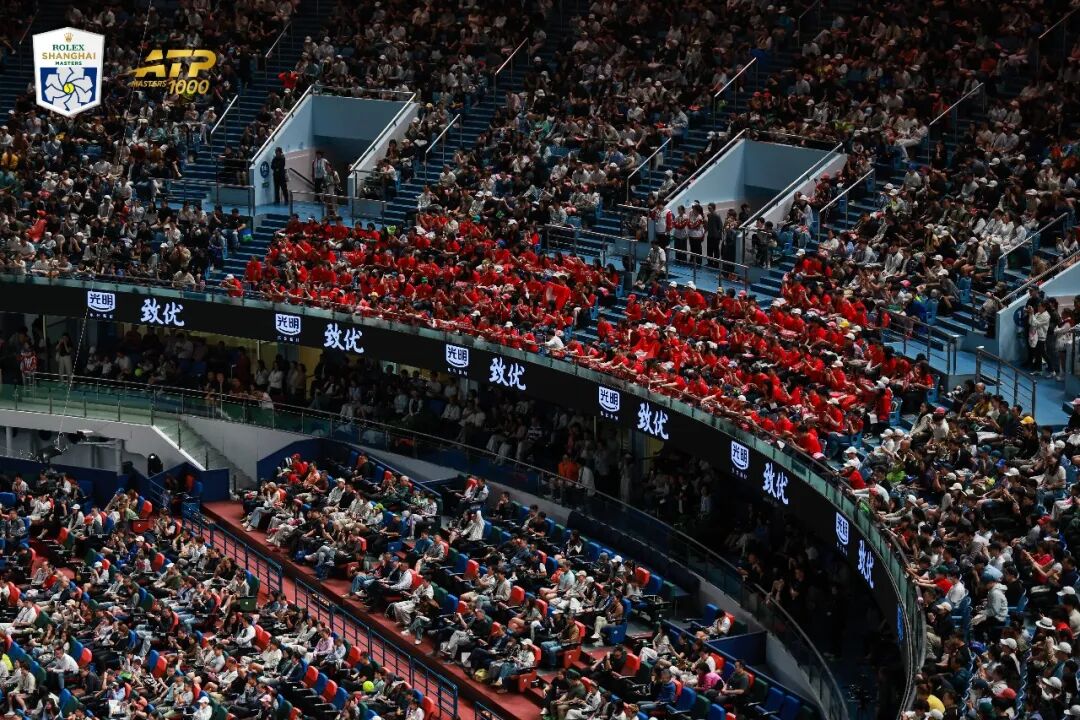
从1998年上海网球爱好者刚过万人的“小众运动”,到如今大师赛单届观众超过25万人次,赛事推动的不只是网球运动的普及,也包括城市服务能力、公共体育资源和周边消费场景的持续生长。
站在“十五五”新起点,闵行正探索以“AI+体育产业”为驱动,推动赛事资源向产业生态和日常生活延伸。从让观众顺利抵达、舒心观赛,到让更多市民拿起球拍、愿意再次到访,闵行希望实现的,不只是“看完比赛就走”,更是“为了城市再来”。让体育热度、文化底蕴与城镇烟火相互成就,一场赛事的价值,才能真正沉淀为一座城市的发展动能。
Swipe for Chinese version
Reported by Ding Yining
Edited by Chen Yiting
Reviewed by Liu Kenbo, Shi Sijia